St Mary's Institute Ltd.

“The goal of education is the advancement of knowledge and the dissemination of truth.” – John F. Kennedy

69 Main Street, Blackrock, Dublin A94 N6D0, Ireland | +44 7407 133 712 | office@st-marys.academy

Mission of St. Mary’s Institute Ltd – Dublin

St. Mary’s Institute Ltd, based in Dublin, is committed to the professional and personal development of educators from kindergarten, primary, and secondary schools across Europe. Emphasising the enhancement of teachers' soft skills, the Institute addresses key areas such as fostering students' creativity, promoting tolerance, encouraging understanding of EU values, managing challenging behaviours, and introducing innovative tools like drama, negotiation techniques for youth, and sustainable development practices. These components are essential for creating inclusive, student-centred classrooms that cater to the diverse needs of today's learners. Central to St. Mary’s Institute’s mission is the belief that effective teaching goes far beyond merely delivering content; it requires a deep understanding of pedagogy. Pedagogy is the foundation of every excellent teacher’s practice, guiding how knowledge is communicated, how students are engaged, and how inclusive and adaptable learning environments are fostered. Just as no good doctor can be effective without understanding and connecting with patients, no teacher can succeed without the ability to empathise with and respond to their students. This is where St. Mary’s Institute plays a vital role, serving as a bridge between academic theory and practical application. Through its comprehensive teacher training programmes, St. Mary’s combines the latest educational research with practical methodologies, ensuring that educators are equipped to implement student-centred approaches rooted in the theory of multiple intelligences. The Institute’s work is also closely connected with interdisciplinary research, especially in science fields linked to education. By focusing on the student in its research, development, and training efforts, St. Mary’s fosters a teaching culture that is reflective, innovative, and responsive. Courses undergo thorough evaluation through anonymous feedback from educators across various European countries, ensuring continuous quality improvement and relevance. In this way, St. Mary’s Institute has become a centre of pedagogical excellence and a model for transformative teacher education in Europe.


Our Programmes

Below are some examples of the programmes we offer. Each programme is carefully designed to include both teaching input and clearly defined learning outcomes, ensuring that participants leave not only inspired but also equipped with practical tools and strategies they can apply in their classrooms. The primary aim is to make the learning process meaningful, transferable, and tailored to the evolving needs of today’s educators. Beyond traditional lectures, our programmes offer a rich blend of peer-teaching experiences, teacher-trainee-led sessions, and collaborative workshops that encourage active participation and mutual learning. We place strong emphasis on both academic and practical development, allowing each participant to explore new pedagogical approaches while deepening their own teaching identity. Our courses are structured to support individual growth, enabling teachers to reflect on their practice, engage in hands-on activities, and develop new skills in a supportive, multicultural environment. This holistic approach ensures that the professional development we offer is not only knowledge-based but also transformative and sustainable.

Teacher Training Programme: Teaching Art as a Tool for Better Communication in a Multicultural Classroom

Programme for Kindergarten, Primary and Secondary School Teachers.
Input (Programme Structure and Content)

  1. Introduction to Art as a Communication Tool
    • Understanding art as a universal language
    • Exploring art forms: visual arts, music, drama, and storytelling
    • Benefits of art in enhancing non-verbal and verbal communication
  2. Significance of Multicultural Classrooms
    • Characteristics of multicultural classrooms
    • Challenges: cultural barriers, language diversity, and biases
    • Opportunities: fostering inclusivity, respect, and shared understanding
  3. Art for Bridging Cultural Gaps
    • Art as an expression of individual and cultural identity
    • Encouraging sharing of cultural heritage through artistic mediums
    • Creating a safe space for dialogue through collaborative art activities
  4. Role of Teachers in Promoting Art-based Communication
    • Recognizing students' cultural backgrounds and artistic talents
    • Designing inclusive art activities
    • Encouraging collaboration and mutual respect through group art projects
  5. Strategies for Using Art in Multicultural Classrooms
    • Integrating cultural elements into art assignments
    • Collaborative projects reflecting shared themes
    • Using storytelling and drama to transcend language barriers
    • Organizing multicultural art fairs or exhibitions
  6. Hands-On Training Activities
    • Create artwork representing cultural unity
    • Workshop on multicultural lesson plans
    • Role-playing to address cultural misunderstandings
  7. Assessment Techniques
    • Peer reviews and self-reflection
    • Evaluating communication and cultural awareness
    • Feedback on collaboration and creativity
  8. Programme Wrap-Up and Feedback
    • Summarizing key learnings
    • Sharing experiences and best practices
    • Collecting feedback for programme improvement

Learning Outcomes

  • Enhanced Teacher Capabilities
    • Integrate art as a communication tool
    • Design and facilitate inclusive art-based activities
  • Improved Student Communication Skills
    • Expression through non-verbal and creative means
    • Bridge language barriers with the arts
  • Fostering Inclusivity and Empathy
    • Celebrate cultural identities
    • Promote understanding and respect
  • Building Collaborative Skills
    • Teamwork through group projects
    • Strengthen cross-cultural relationships
  • Encouraging Creative Problem-Solving
    • Resolve misunderstandings through art
    • Think innovatively in cultural scenarios
  • Increased Student Engagement
    • Make learning relatable through art
    • Boost confidence in shy or non-native speakers
  • Long-Term Impact
    • Develop cultural sensitivity and creativity
    • Prepare for global citizenship

This programme equips teachers with innovative tools to foster communication, collaboration, and mutual respect in multicultural classrooms.

Teacher Training Programme: Helping Students Overcome Trauma through Art, Music, and Drama

Programme for Kindergarten, Primary and Secondary School Teachers.
Input (Programme Structure and Content)

  1. Programme Objective
    • Support student trauma expression and processing
    • Use art, music, and drama as therapeutic tools
    • Create safe classrooms for trauma recovery
  2. Target Audience
    • Primary and secondary school teachers
    • Teachers from diverse, challenging backgrounds
  3. Core Components
    • Understanding trauma and its effects
    • Introduction to expressive arts therapy
    • Building supportive, non-judgmental environments
    • Knowing support boundaries and referral needs
  4. Methods and Activities
    • Art: drawing, painting, sculpting emotions
    • Music: rhythm, song, instrumental exploration
    • Drama: storytelling, character play, improvisation
    • Writing: journaling, poetry, structured storytelling
  5. Classroom Implementation
    • Inclusive activity design
    • Age-appropriate, trauma-sensitive adaptations
    • Balance self-expression with privacy
  6. Sensitivity and Confidentiality
    • Prevent re-traumatization
    • Guidelines for disclosure handling
    • Identify when further support is needed

Learning Outcomes

  • Confidence in Emotional Support
    • Using creative methods to support emotional development
    • Applying resilience-building techniques
  • Effective Communication
    • Trust-building and empathetic dialogue
    • Recognizing early signs of distress
  • Teacher Wellbeing
    • Stress and burnout prevention
    • Self-care strategies
  • Inclusive Practice
    • Emotional well-being support for all students
    • Implementing SEL (Social Emotional Learning)

Teacher Training Programme: Teaching Tolerance and Multicultural Understanding

Programme for Kindergarten, Primary and Secondary School Teachers.
Input (Programme Structure and Content)

  1. Programme Objective
    • Develop empathy, tolerance, and respect
    • Foster multicultural awareness and communication
    • Reduce prejudice and promote inclusivity
  2. Target Audience
    • EU Primary to High School teachers
    • Teachers from mixed cultural, ethnic, and social backgrounds
  3. Core Components
    • Communication games: listening, perspective-sharing
    • Cultural exchange sessions
    • Storytelling and empathy development
    • Conflict resolution strategies
  4. Activities and Methodology
    • Role-play from diverse perspectives
    • Language and phrase exchange exercises
    • Cultural heritage mapping
    • Collaborative intercultural team challenges

Learning Outcomes

  • Inclusive Pedagogy
    • Design lessons that embrace cultural diversity
    • Implement strategies to promote empathy and respect
  • Research and Reflection Skills
    • Design classroom research projects
    • Analyse qualitative and quantitative data
  • Collaboration and Inquiry
    • Use inquiry cycles to improve teaching
    • Involve students in reflective practices

Our Tutors

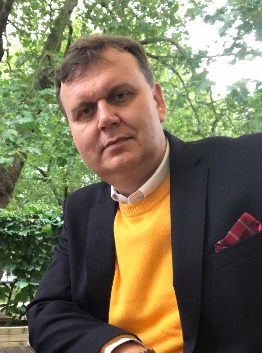
Dr. Piotr Jednaszewski
Professor of Language and Communication at St. Mary`s Institute Ltd. He is a methodologist in the field of teaching English as a foreign language, an educator, negotiator, court mediator, and sworn translator of English. He holds doctorates in Pedagogy and in the Management of Educational Institutions. He further specialized in educational institution management through prestigious postgraduate programmes offered by Harvard University, focusing on leadership, innovation, and institutional strategy in education. Additionally, he has completed numerous specialized programs conducted by leading European universities in areas such as student mental health, teaching creativity, action research, pedagogy, and computer science, enhancing his interdisciplinary expertise in modern education. From 2000 to 2019, he served as a representative and advisor to the University of St Andrews, one of the United Kingdom’s most prestigious academic institutions. He is a member of the Scientific Council of the Czech Institute of Academic Education z.s. and a fellow of the Royal Society of Arts (RSA) in the UK. Dr. Jednaszewski is the author and co-author of numerous publications in the fields of negotiation, communication, teaching methodology, politics, and international relations. His scientific interests also encompass the management of educational institutions and the development of personalized teaching programs designed to meet the needs of schools and educators from various European Union countries, addressing the new and evolving challenges educators face in their daily work.
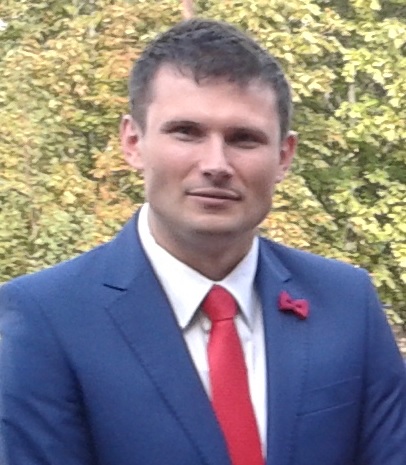
Piotr Kardasz
Assoc. Prof. Eng. Piotr Kardasz, DSc is a specialist in technical sciences with a distinguished academic and professional background in transport engineering, systems design, and applied informatics. He is a graduate of the Faculty of Mechanical Engineering at Wrocław University of Science and Technology, where he majored in Transport with specializations in the Organization and Design of Transport Systems, as well as the Engineering and Ecology of Transport Means. Additionally, he completed his studies at the Faculty of Computer Science and Management at Wrocław University of Science and Technology, further broadening his interdisciplinary expertise. Professor Kardasz currently serves as Deputy Coordinator of a foundation focused on research and innovation. He is also an Economic Expert for the National Centre for Research and Development, where he evaluates business applications for project co-financing, and a KSU Expert for the Regional Development Agency in the field of technological consulting. His professional collaborations include numerous partnerships with research and development institutions, particularly in the implementation and commercialization of R&D projects. He is the co-author of ten inventions submitted to the Patent Office and has contributed significantly to academic literature, authoring or co-authoring nine scientific scripts and more than fifty publications in esteemed scientific journals. Professor Kardasz is also an active participant in the academic and business community, regularly speaking at and organizing scientific and industry-related conferences. Since beginning his academic career at the Wrocław University of Applied Sciences, Professor Kardasz has held several leadership positions, including Plenipotentiary for Business Cooperation and Dean of the Faculty of Automatic Control and Robotics. He currently serves as Rector of the Technical and IT Academy in Applied Sciences, where he continues to shape the strategic direction of the institution through innovation-focused educational leadership.
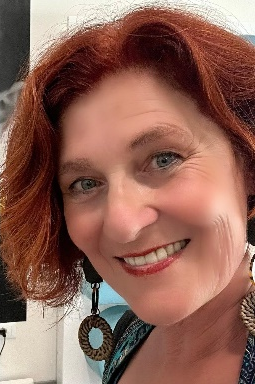
Professor Isabelle Gatt
An internationally recognised expert in creative pedagogy, drama education  and English Language Teaching (ELT), Professor Isabelle Gatt combines over 30 years of academic experience with a deep passion for integrating drama and the arts into education. With qualifications spanning TEFL, theatre, communications, and a PhD from the University of Exeter, she is a sought-after lecturer and speaker who has inspired teachers and educators globally. A prolific author, her work bridges the worlds of pedagogy,  art and theatre, offering innovative strategies to engage learners through creativity. Whether training future teachers or leading workshops, Professor Gatt is celebrated for her ability to transform traditional classrooms into spaces of collaboration, critical thinking, and artistic expression.
Scarlett Mackay
Professor of Communications and Psychology at Seneca Polytechnic in North York, Canada. M.Ed in Languages and Literacies Education and B.A. in Psychology, Neuroscience, and Behaviour. Dedicated educator with over 10 years of experience teaching children and adults.  Specialized in teaching English as a Second Language to beginners, academic students, and business professionals. Internationally experienced with roles leading language development classes and teacher training programs in Korea, Malta, and Scotland. Author of "Indigenous Linguicide: An Ongoing Canadian Project" published in "Critical Perspectives on White Supremacy and Racism in Canadian Education".
Joanna Ossowska
PhD, Doctor of Social Sciences in the discipline of Psychology, crisis interventionist, mediator and coach. In her scientific work she devotes herself to social psychology and methodology of science. In her practice Dr Ossowska specializes in child and adolescent psychology, including clinical psychology, as well as educational psychology. Currently she also specializes in Logotherapy and Existential Analysis (is undergoing psychotherapeutic training), a school of therapy based on the sense and meaning in life. Her therapeutic work is based on an interdisciplinary approach based on logotherapy and humanistic psychology, but she also uses methods developed by other schools and fields of psychology, including cognitive psychology, dance and movement therapy, neuropsychology, neurodidactics and behavioural psychology. Dr Ossowska has vast experience in working with students and teachers, as well as parents and families. She used to work in school, which gives her an inside experience in the field of mental health in public education. This led to publication of her programme, aimed at children’s emotional and social development “Travellers through the Land of Feelings”. Dr. Ossowska is also a higher education lecturer. She published several articles in the field of social psychology and two scientific books “Psychology of Attitudes” and “The use of sound stimuli in the measurement of implicit attitudes by means of priming. An attempt to assess the validity of the method”.
Marthese Borda
Executive MBA, BSc in Computing and Information Systems (Hons), Professional Dip. in Digital Marketing; PGCert. in Education. Educational Specialist with Avantis Systems, UK. Provides trainings on innovative and engaging classroom technology solutions that enhance, support and simplify teaching and learning. Ms. Borda area of expertise comprises the safe and secure metaverse programmes applicable in education, learning and research programmes. She designs curriculum and theme based learning tracks with the use of IT advanced technologies. Ms. Borda as the professional in the high tech educational technology provides consultancy along with management, administration and support of the eLearning programmes and platforms. She also held the positions of ECDL coordinator, instructor, invigilator and marker at the Directorate for Educational Services, Malta Ministry of Education and Employment; ICT Teacher at Secondary Educational Level; E-Learning Support Teacher.
Eve O’Sullivan
M.Ed (Masters of Education), University College Dublin, Ireland. BA (Hons) in English and History, University College Cork, Ireland. Secondary school teacher in Ireland of Mathematics, English, Music, History, S.P.H.E. (Social, Physical, Health Education) C.S.P.E. (Civic, Social and Political Education). Private tutor of English as a foreign language, Mathematics, English, and History. State examination corrector with D.E.B. and examcraft.  Certificates: Certificate in Young People and mental health from University of Groningen, University of Cambridge and University medical centre Groningen (UMCG), The Netherlands. Introduction to Children First from Tusla, Child and Family Agency Ireland. Experience teaching TEFL through St. Mary’s Institute, Dublin in University College, Cork.
Tara O’Keeffe
M.Ed (Masters of Education), University College Dublin, Ireland. Bachelor of Arts Joint Honours in History and English, University College Cork, Ireland. Secondary school teacher with experience in teaching History, English, Religion, S.P.H.E (Social, Personal and Health Education), and C.S.P.E (Civic, Social, and Political Education). Superintendent for the Irish State Examinations Commission. State Examination Corrector with Dublin Exam Board and Examcraft.  Certificates in: Level 5 Certificate in Teaching English as a Foreign Language from The TEFL Institute of Ireland; Teaching Young Learners from The TEFL Institute of Ireland; Teaching Business English from The TEFL Institute of Ireland; Teaching English Online from The TEFL Institute of Ireland; Mental Health Studies - Understanding Behaviour, Burnout and Depression from Alison; Introduction to Children First from Tusla, Child and Family Agency Ireland. Diploma in Educational Psychology from Alison.
Bart Niklas
MA in International Relations, American-Polish Lecturer and Writer of Educational Books. 25 years of teaching experience in communication, English as a Foreign language and international relations. Certificates in: Innovative Teaching, University of Padova, Italy and University of Georgia, USA.; Communicating with Diverse Audiences, University of Surrey, UK.; Multilingual Learning for Globalized World, University of Glasgow, UK.; Young People and Mental Health, University of Groningen, The Netherlands; University of Cambridge, UK and University Medical Center Groningen (UMCG), The Netherlands. Author of the following books: American English: A selection of idioms colloquial language & slang expressions (English Version); American English: A selection of idioms colloquial language & slang expressions (with Polish translation); A quick study guide on how to learn English efficiently and successfully (for Polish learners).

Research at St Mary’s Institute Ltd.

At St. Mary’s Institute Ltd., our research focuses on advancing knowledge and practice in education, with a strong commitment to supporting the professional development of teachers across various areas of expertise. We aim to improve teaching methodologies, encourage interdisciplinary collaboration, and empower educators to address the evolving demands of modern classrooms. Our research goes beyond the professional sphere, aiming to help students gain a deeper understanding of fundamental concepts in education, international relations, and science. By integrating these disciplines, we create opportunities for young learners to explore, question, and grow intellectually within their fields of interest and our areas of expertise. Ultimately, the research conducted at St Mary’s Institute Ltd. serves not only to inform and improve educational practices but also to inspire personal and academic growth among students. We are committed to building a bridge between research and real-world application, ensuring that our work contributes meaningfully to both the professional community and the next generation of scholars and practitioners. A significant aspect of our research focuses on sustainable development in education. We explore strategies that create more inclusive, resilient, and environmentally responsible learning environments—ensuring that education systems can adapt to global challenges while promoting long-term social and ecological well-being. This involves curriculum innovation, school-community partnerships, and policies that support lifelong learning and equity in access to educational resources. Additionally, our institute prioritizes the mental health and well-being of students as a vital component of academic success. Our research investigates the psychological factors impacting learners, develops tools for early intervention, and promotes strategies that encourage emotional resilience and positive school environments. We also examine how emerging technologies—such as artificial intelligence, digital learning platforms, and virtual simulations—can enhance both teaching and learning experiences. By exploring the intersection of technology, mental health, and sustainable educational practices, we aim to create forward-thinking solutions grounded in empathy, innovation, and long-term impact.

Research Gate Articles:


    Completed Projcts

    📘
    Bilingual Education Programme Report
    🔬
    Content and Language Integrated Learning Programme Report
    📊
    Teaching Tolerance and Multicultural Understanding Programme Report
    🧠
    Overcoming Trauma Programme Report